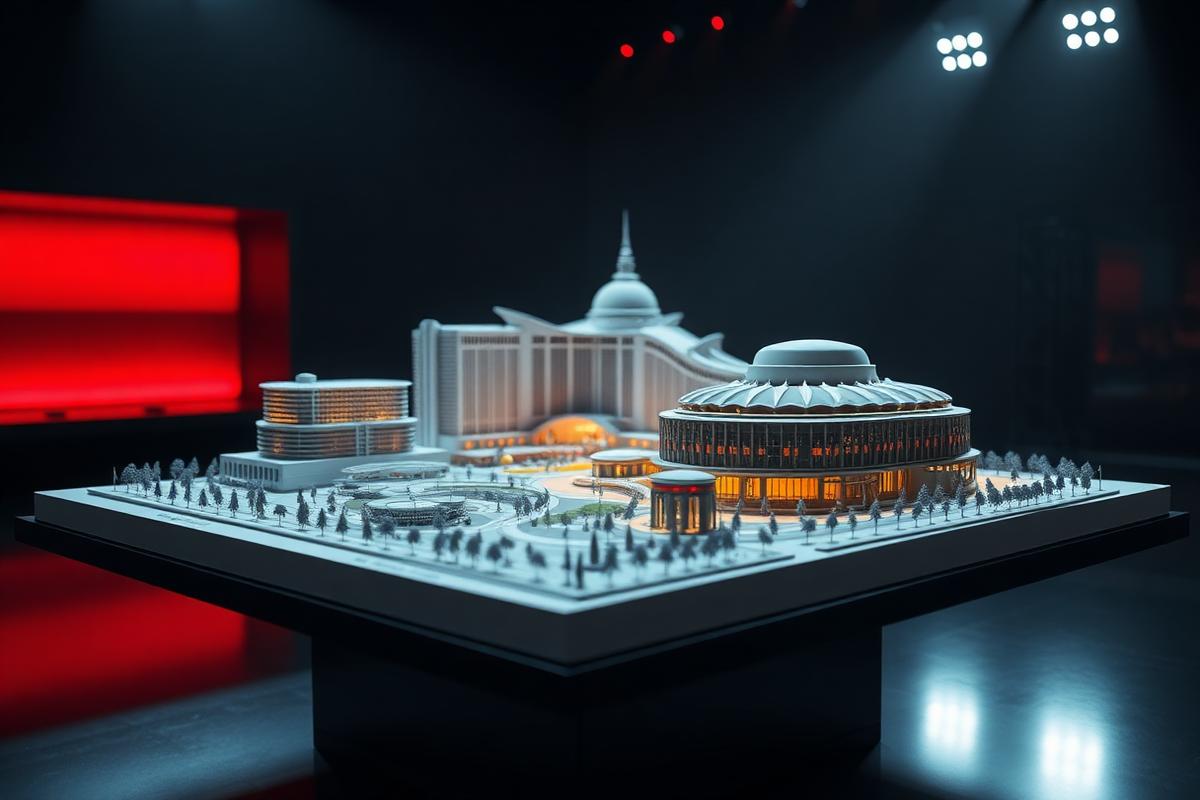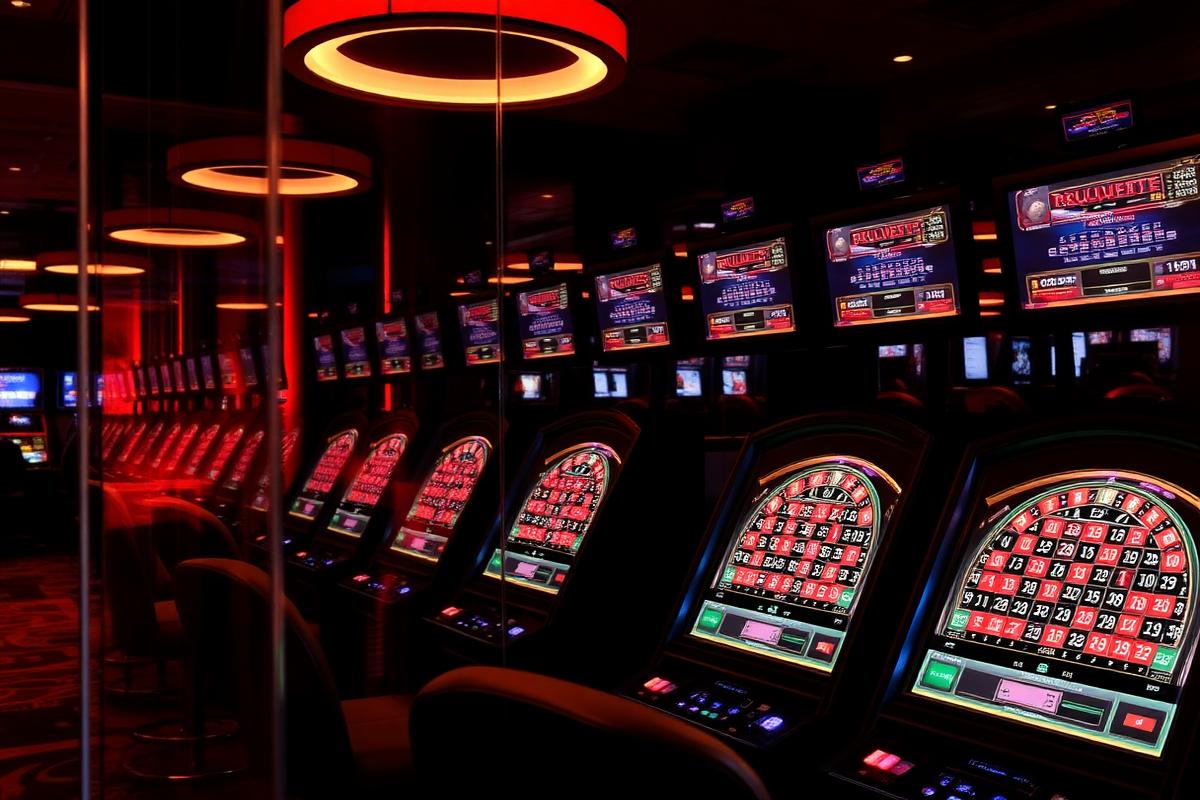
Walk a modern gaming floor in Milan, Melbourne or Macau and the first difference is spatial. Rows are shorter, sightlines are longer and the mid-floor is broken up by lounge clusters and hybrid table pods. Venue operators describe the change as a response to two pressures at once: a customer base that dwells for shorter sessions, and compliance regimes that expect staff to see the room.
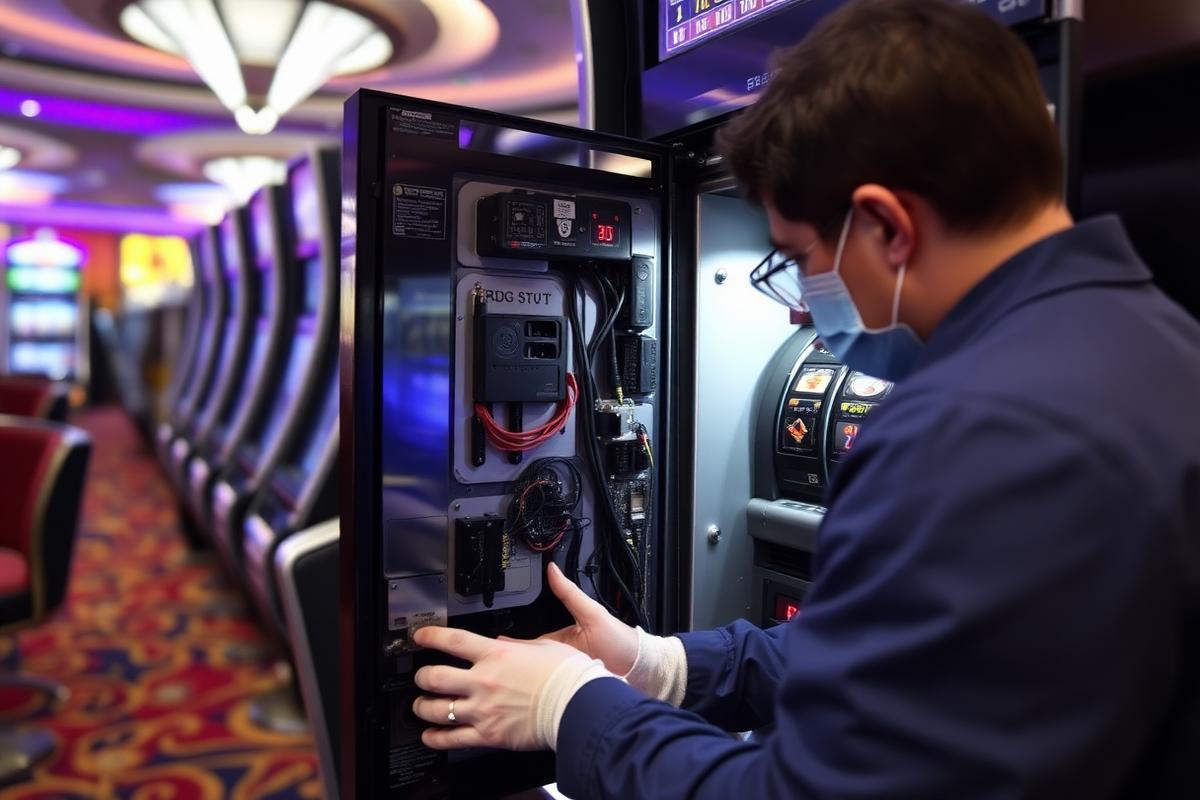
The second difference is invisible. Underneath the carpet, the wiring assumption has changed. Machines that once needed only power and a slot accounting link now carry payment endpoints, biometric-free identity tokens, telemetry for uptime monitoring and, increasingly, a channel for player-protection messaging that a regulator can audit.
Procurement is consolidating
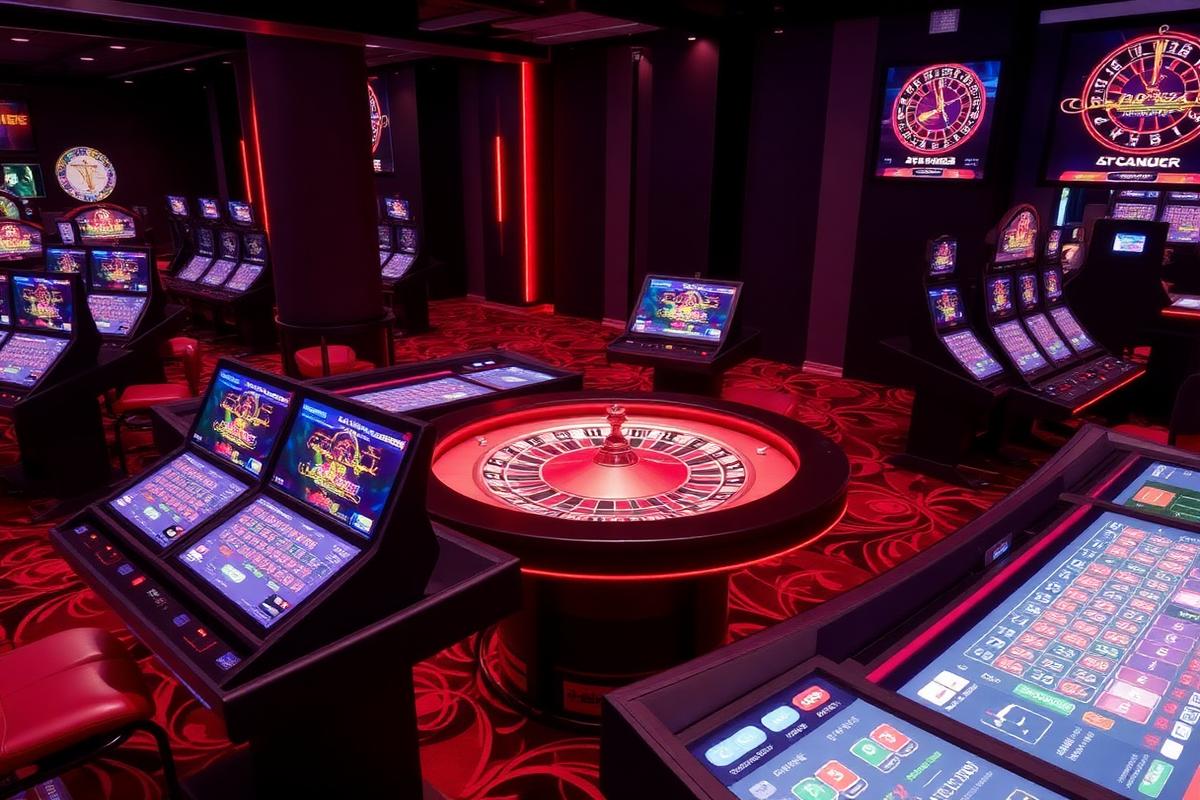
Suppliers report that requests for proposal now routinely bundle categories that were tendered separately three years ago. A venue upgrading 400 machines will typically specify the cabinet family, the cashless wallet layer, the casino management platform integration and the reporting export format in one document.
The consolidation is not purely technical. Finance teams prefer a single depreciation schedule, and compliance teams prefer a single vendor accountable for the audit trail. The practical effect is that smaller specialist vendors are entering partnerships earlier in the sales cycle.
“We no longer design a gaming floor and then add compliance to it. Compliance is the floor plan.”
Venue design lead, European integrated resort group (illustrative composite)

Density down, footprint up
Several venues have reduced machine counts while increasing floor area per unit. Larger portrait screens, wider seating and accessibility clearances all consume space. Operators argue that revenue per square metre has held because dwell quality improved, though independent verification of that claim remains limited.
Forestnnest treats those revenue statements as operator claims rather than confirmed results. Where audited figures are unavailable we say so.
Protection engineering moves into the base build
The most consequential change may be the least visible. Session timers, spend visibility panels, break prompts and self-exclusion recognition are increasingly shipped as firmware defaults rather than optional modules, because several regulators now expect them to be present regardless of jurisdiction-specific mandates.
That shift changes the economics of certification. A single firmware base that satisfies multiple markets reduces variant management for manufacturers, and it makes feature removal a deliberate decision rather than an omission.