Industry trends
The structural shifts behind the headlines
Longer-form visual features on technology, architecture, security, automation, hospitality, sustainability and the economics of integrated resorts.

Key findings
What our reporting shows this quarter
Procurement is consolidating: cabinets, payments and monitoring are increasingly bought together.
Compliance capability, not raw performance, is the deciding factor in most system tenders.
Non-gaming amenity capacity is absorbing a growing share of resort capital budgets.
Player-protection features are shifting from optional modules into base firmware.
Trend map
Six directions, measured by desk coverage volume
01Integrated Resort EconomicsCapital plans increasingly weight non-gaming amenity capacity ahead of additional gaming positions.02Cashless Casino FloorsAccount-based play is being specified around limit enforcement and reporting rather than transaction speed.03AI-Assisted SurveillanceAnalytics are judged on the reviewability of the alert record, not on raw detection claims.04Responsible Gaming EngineeringSession tooling and spend visibility are moving from optional modules into base firmware.05Connected Casino SystemsManagement platforms compete on documented export interfaces as much as on features.06Sustainable Resort DesignCooling and display load on the gaming floor drive the engineering agenda for new resorts.
“The floor is now specified as a single system. That changes who signs the purchase order.”
Illustrative composite of operator briefings collected by the Forestnnest desk
Related analysis
More from the trends desk
 The developments redefining the global casino floorFloor layouts, cashless architecture and player-protection engineering are being redesigned together rather than in isolation. Our desk maps the six shifts operators say are reshaping capital plans this year.
 Cashless floors are being rebuilt around reporting, not convenienceVenues deploying account-based play describe audit exports and limit enforcement as the deciding requirements, ahead of speed at the point of transaction.
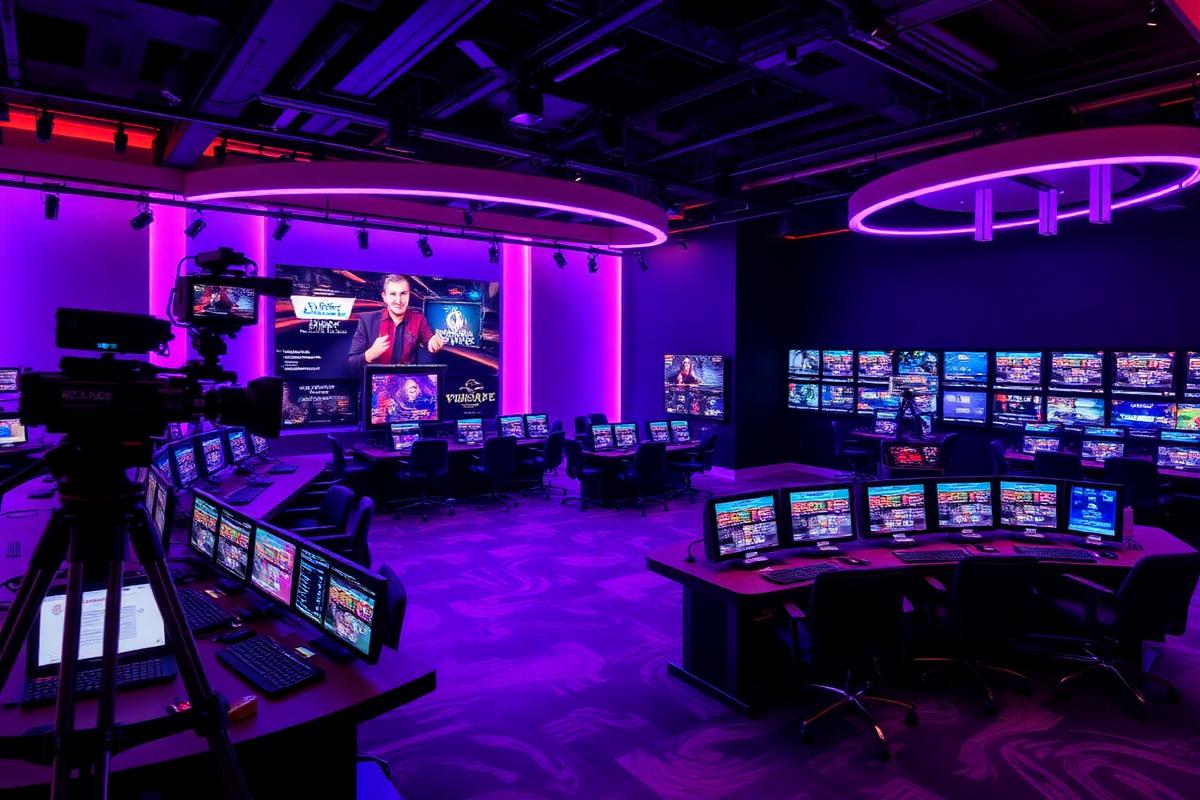 Hybrid tables blur the line between studio and floorCamera-served live tables feeding electronic terminals are becoming standard on large floors, changing staffing models and surveillance requirements.
 AI-assisted surveillance is being judged on its audit trailDetection accuracy is no longer the main procurement question. Operators want to know how an alert is logged, reviewed and explained.
 Harm-minimisation technology moves from pilot to standard fitSession tooling, spend visibility and staff-facing prompts are being installed as base equipment rather than trialled in isolated banks.
 Casino management platforms consolidate around open reportingOperators are demanding documented export interfaces so that compliance data is not locked inside a single vendor's stack.